




How Should Cavers Choose a Rechargeable Headlamp for Long Underground Routes?
A caving headlamp for a long underground route should be chosen for runtime, beam control, helmet stability, waterproof protection, and backup planning before brightness alone. A cave trip moves slowly, often through mud, water, narrow passages, and route-finding stops. The best headlamp for caving is the one that keeps both hands free, gives enough light for footing and distance checks, and still has a clear power plan when the group is tired. For teams comparing dependable outdoor and work lighting, Fenix gives buyers a practical starting point.
A rechargeable caving headlamp can be a strong choice when the route length is known and charging is planned before the trip. It is not a reason to skip backups. Cavers still need spare lighting and battery discipline, because underground failure is different from a dark trail. There is no quick streetlight, store, or car nearby. The light has to be selected for the whole route, not the first hour.
Why Does a Cave Route Need More Than Brightness?
Brightness gets attention because the number is easy to compare, but cave travel asks more from a headlamp. A narrow high-output beam may show a far wall, yet still leave loose rock, water edges, and handholds hard to read. A useful caving headlamp balances reach, close-area flood, runtime, and comfort so the group can keep moving at a steady pace.
Runtime Has to Match the Slowest Section
Cave routes often take longer than expected. A muddy crawl, a route check, or a careful vertical section can turn a short plan into a long evening. Runtime should be compared against the slowest expected pace, not the fastest. The Fenix HM71R offers several useful runtime choices, including 50 lumens for 48 hours in both spotlight and floodlight modes, giving buyers a clearer way to plan conservative output instead of relying on turbo output.
Beam Shape Controls Footing and Route Reading
The best headlamp for caving should help with two different jobs. A flood beam helps read the ground near the feet, the next handhold, and the shape of a tight passage. A spot beam helps check route markers, chamber edges, and distance. The Fenix HM71R Rechargeable Industrial LED Headlamp has designated spotlight and floodlight LEDs, giving cavers and industrial inspection teams a way to shift between reach and nearby working light.

How Should a Rechargeable Caving Headlamp Handle Water and Impacts?
Underground routes are hard on equipment. Mud gets into straps, water reaches battery cases, and a headlamp can hit rock while the user is climbing or crawling. A waterproof headlamp should be judged by its rating and by how the rest of the body is built. Impact resistance matters because a light that survives the first drop may still need to work for hours.
Waterproof Ratings Protect the Plan
Waterproof claims should be checked carefully. The HM71R is IP68 rated and fully submersible to 2 meters for up to 4 hours, which is stronger protection than basic splash resistance. That makes it a practical waterproof headlamp for routes with dripping ceilings, wet crawls, and shallow water crossings. Buyers should still inspect seals, O-rings, and charging ports before a trip because ratings assume the light is properly closed and maintained.
Drop Resistance Matters When Hands Are Busy
Cavers rarely drop a light in a clean, flat place. It may hit limestone, mud, or a wet ladder. The HM71R uses a rugged stainless steel body and is drop-tested to 2 meters. That does not remove every risk, but it gives users a more trustworthy margin than a light designed only for casual camping. For clubs, guides, or inspection crews, durability also reduces the chance of lending gear that fails under rough handling.
What Beam and Control Features Help on Long Routes?
A long route puts small controls under pressure. Gloves, cold fingers, fatigue, and helmet movement can turn simple tasks into repeated interruptions. The right rechargeable caving headlamp should let the user change output without removing the helmet, staring at the switch, or cycling through confusing modes in a tight space.
Spot and Flood Light Have Different Jobs
The HM71R spotlight reaches up to 755 ft on turbo, while its floodlight gives broad nearby light for working and moving. In a cave, that split matters. Spotlight can help check a passage ahead, but floodlight is often better for safe footing and close work. Users of mixed-use outdoor routes may compare the broader headlamp series, but cavers should pay special attention to models with both reach and area lighting.
Large Switches Reduce Glove Trouble
A single large switch is not glamorous, but it can save time underground. The HM71R uses convenient single-switch operation and a battery level indicator. These details help the user make quick choices without breaking the group's rhythm. On long routes, a headlamp that is easy to read and control may be safer than one with more modes but a smaller, harder switch.

How Should Cavers Plan Power and Backup Lighting?
Rechargeable power works best as part of a plan rather than an assumption. Before entering a cave, users should know the expected route time, the chosen output level, the charging time, and the backup light arrangement. A rechargeable caving headlamp can simplify normal use, but spare light sources still belong in every responsible underground kit.
Charging Time Belongs in the Schedule
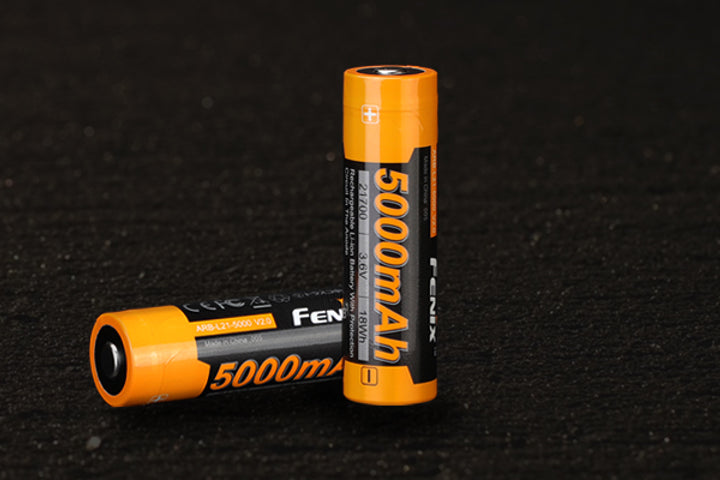
The HM71R uses a Fenix ARB-L21-5000 V2 rechargeable 5000mAh 21700 battery and recharges via USB-C in about 4 hours. That means charging should happen before packing, not in the car at the last minute. The lockout function is also worth using during transport, since an accidental switch-on inside a bag can ruin a careful power plan before the trip starts.
Backup Lights Remain Nonnegotiable
No serious caver should enter a cave with one light and hope. A backup headlamp, spare handheld light, and battery plan give the group a way out if the main unit is damaged, lost, or drained. The best headlamp for caving is part of that system. It should be strong enough to serve as the primary light, but the safety plan should never depend on a single device.
Cavers building a broader gear list can compare Fenix lights by activity through the caving and spelunking collection and by charging preference through the rechargeable lights collection. The goal is to match the trip, the helmet, the backup plan, and the users who will operate the lights, not simply to buy the brightest model.
Where Does the HM71R Fit for Cave and Industrial Teams?
The HM71R sits in an interesting space because it is an industrial headlamp that also lists caving among its intended uses. That matters for buyers who need one light family for maintenance work, inspection routes, search tasks, and occasional underground trips. What matters most is whether its weight, beam options, and helmet fit match the user, not simply whether it is rugged.
Industrial Build Makes Sense Underground
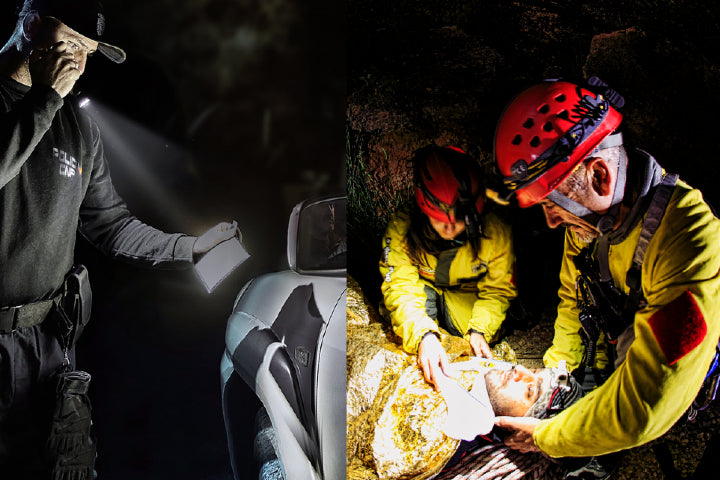
An industrial headlamp is built for hands-free work where light failure can slow a task or create safety risk. The HM71R is optimized for field inspection and outdoor nighttime work, with industrial work, patrolling, search and rescue, maintenance, and caving among its use cases. For departments or clubs buying several lights, that cross-use value can reduce confusion because users learn one control layout across several environments.
Helmet Fit Should Be Tested Before the Trip
A waterproof headlamp still needs to sit correctly on a helmet. Cavers should test strap tension, beam angle, and comfort before the route starts, especially with gloves and a loaded pack. The HM71R weighs 7.32 oz, so buyers should check whether that weight feels stable for the expected duration. If a team needs help comparing helmet fit, output choice, or spare parts, the Fenix Contact Us page is the right place to ask before ordering.

Conclusion
A long cave route asks more from a light than a high lumen number. Choose a caving headlamp by runtime, beam shape, waterproof rating, impact resistance, helmet fit, switch control, charging time, and backup planning. The Fenix HM71R is a strong rechargeable caving headlamp candidate for users who want an industrial headlamp with spot and flood output, IP68 waterproofing, USB-C charging, and a rugged body for rough field use. Still, cavers should test fit and power modes before the trip and carry backup lights. If the route, team size, or use case is not clear, compare the HM71R with other HM Series headlamps before making the final choice.
FAQs
Q1: Is a rechargeable caving headlamp safe for long cave routes? A1: Yes, if it is fully charged and backed by spare lights and batteries.
Q2: What makes the best headlamp for caving different from a hiking headlamp? A2: Longer runtime, helmet stability, waterproof protection, and backup planning matter more underground.
Q3: Should cavers choose a waterproof headlamp with spot and flood beams? A3: Yes. Spot helps with distance checks, while flood helps with footing, crawling, and close work.


