



Spelunking Headlamp Guide for Safe Cave Exploration
For cavers, outdoor clubs, and anyone planning a serious cave trip, a spelunking headlamp is not just another camping light. Underground travel is slower and less forgiving. The lamp has to keep both hands free, light the ground nearby, reach farther when the route opens, and stay fixed when the passage turns wet or tight. It should help the user read rock texture, check footing, speak with the group, and still keep enough power for the way out. Fenix Store carries several headlamp families, but the right choice still depends on the cave, the team, and the backup plan.
This article uses the Fenix HM65R as the reference point because it brings together a rechargeable format, dual spotlight and floodlight outputs, USB-C charging, IP68 waterproofing, and a lightweight magnesium body. That does not mean spare lights or cave safety planning can be skipped. It simply gives buyers a concrete model for thinking through a dual beam headlamp before underground use.
What Should a Spelunking Headlamp Do Underground?
A cave is not a trail with a roof over it. Outside, a walker can usually point the beam forward and keep moving. Underground, the light keeps changing jobs. One moment it is on a wet step. A few seconds later it is checking a handhold, a low ceiling, or the person behind you. For that reason, the best lamp is the one you almost stop noticing. It aims easily, stays steady, and does not force cold fingers to hunt for the right button.
Hands-Free Light Has to Stay Put
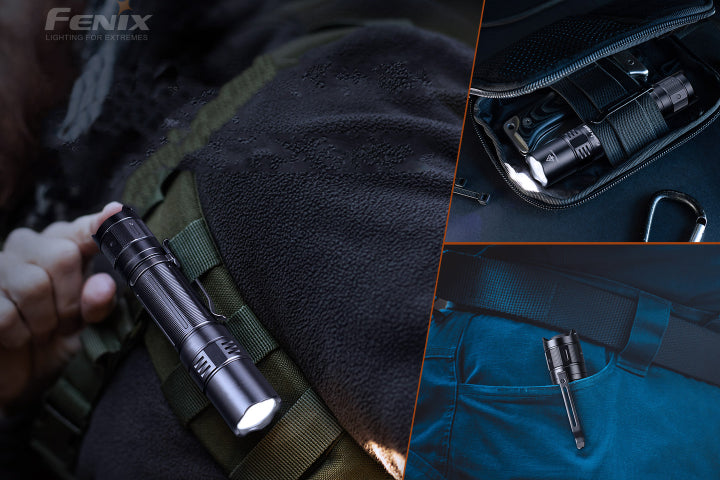
Stability matters as soon as the route gets cramped. A spelunking headlamp may be used while crawling, ducking under rock, climbing over a lip, or stepping down into a slick pocket. If it slides, the user may not have a free hand to fix it. The HM65R uses an adjustable headband and holder, which gives buyers a more serious fit reference than a small camp light that wobbles every time someone turns their head.
Group buyers have another fit problem. A club kit or rental set is rarely worn by the same person twice. One weekend it may sit on a helmet. The next, it may be worn over a hat or directly on the head. A forgiving strap, simple controls, and a moderate weight reduce delays at the entrance. More importantly, they reduce fiddling once the group is already inside the cave.
Beam Shape Matters More Than Peak Output
Brightness is useful, but it is not the whole story underground. A sharp, powerful beam can look impressive in a yard and still feel harsh on wet stone. Glare makes close work slower. For cave use, a rechargeable headlamp needs a spot beam for checking the route ahead and a flood beam for the work happening at arm's length, such as sorting gear, reading footing, or speaking with the group.
Which Lighting Features Matter Most in Cave Exploration?
Judge a cave exploration headlamp by the jobs waiting for it. It has to help someone walk, crawl, read marks, inspect a drop, check gear, save power, and signal to a partner. That list changes from minute to minute. So the better buying question is not, "Which headlamp is brightest?" It is, "Will this lamp give the right light when the route changes?"
Spot and Flood Beams Serve Different Jobs
The Fenix HM65R is listed with independently controlled spotlight and floodlight modes. That is useful in a cave because the two beams solve different problems. The spotlight can reach a ceiling line, a route marker, or a wall farther ahead. The floodlight is easier on the eyes for buckle checks, glove changes, and uneven ground close to the body. With a dual beam headlamp, the user does not have to waste power on the wrong beam shape.
This is also easier to explain to someone buying their first cave light. Spot means reach. Flood means nearby work. The balance depends on the route. Open chambers, tight crawls, wet passages, and slow technical sections all push the user toward different lighting habits.
Runtime Planning Starts Before the Cave Entrance
Runtime should be planned as part of the route, not copied from a specification line and forgotten. The HM65R product page lists several output levels, from strong modes to long-running low settings, including an extended low-mode floodlight runtime. That range is useful because the user can choose. Still, the selected mode has to fit the cave length, group pace, rest stops, and expected exit time.
| Headlamp Need | Why It Matters Underground | What to Check |
|---|---|---|
| Flood beam | Helps with close work, footing, gear checks, and team communication. | Width, glare control, and comfort during slow movement. |
| Spot beam | Helps users check route markers, higher walls, and longer passages. | Beam distance and whether the switch is easy to use. |
| Runtime | Reduces the chance of leaving the cave with weak light. | Low and medium mode hours, not only turbo runtime. |
| Waterproofing | Protects the light around dripping ceilings, mud, and wet packs. | IP rating, charging port cover, and drying routine after use. |
| Backup power | Keeps the trip from depending on one battery or one light. | Spare cells, backup headlamp, handheld light, and group policy. |
Why Is Waterproofing and Impact Resistance Important?
Small gear takes a beating underground. A headlamp can scrape along rock, hit a buckle, sit in mud, or get wet before the group is far from the entrance. A light that behaves perfectly at a campsite may become a problem in a cave if the charging cover pops loose, the housing cracks, or the switch is hard to feel with cold fingers.
Wet Rock Makes Simple Gear Problems Bigger
The HM65R is listed with IP68 waterproofing, IP6X dust-proofing, and two-meter impact resistance. Those numbers are helpful because cave equipment gets dirty fast. They are not a license to treat the lamp carelessly. After a wet route, the sensible routine is to dry the body, inspect the seals, and recharge the light somewhere safe before it goes back into storage.
For a group leader, that routine can be very simple. Wipe the body. Check the charging port cover. Look over the headband. Confirm the battery level. Put the lamp back in the same storage spot, so the next group is not searching for it ten minutes before departure.
Drop Resistance Helps During Tight Movement
Impact resistance is not a minor extra in a cave. Movement is slow, crooked, and sometimes clumsy. A user may bump the lamp under a ledge, turn sideways through a narrow slot, or knock it while removing a pack. The HM65R's magnesium body and listed impact resistance give more confidence than a light made for casual backyard use. Even so, no one should treat a headlamp as unbreakable when the safe exit depends on it.

How Does the Fenix HM65R Fit Spelunking Use?
The Fenix HM65R is best understood as a capable all-around lamp for cave-style outings, hiking, camping, and night work. It does not remove the need for planning. For technical caving, users still need to think about helmet mounting, backup-light rules, cave temperature, route length, and local safety expectations. In a serious setup, the HM65R belongs as a primary or support light inside a planned kit, not as the only source of light.
Dual Outputs Give Better Control
The HM65R lists a 1400-lumen maximum output, two Cree LEDs, and separate spot and flood choices. In real use, that gives the caver room to adjust instead of running one setting all night. Easy walking can use a lower output. Gear checks can move to flood. A wider chamber or distant marker can bring back the stronger spot beam. That control is more valuable than spending the battery on the highest setting just because it is available.
Buyers who want to compare other hands-free options can start with the broader Fenix headlamps category and then narrow the choice by route length, beam shape, battery preference, and fit. The same user may choose one light for a short local cave and another for a colder, wetter, or longer underground route.
Battery Options Give More Backup Flexibility
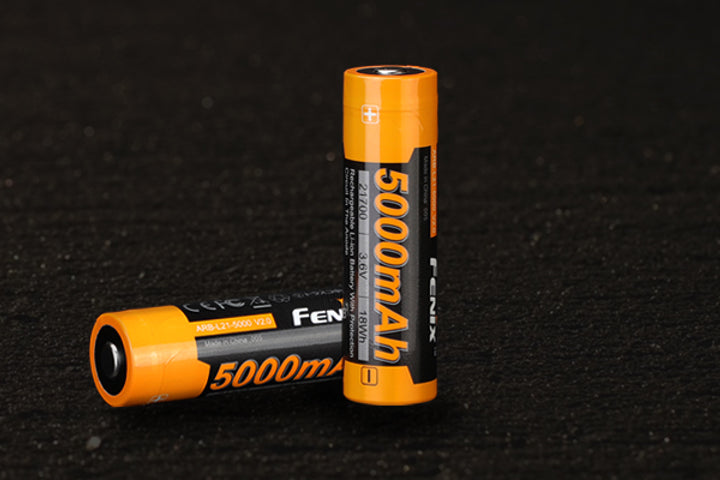
Power planning is another reason the HM65R is practical. It runs on an included rechargeable 18650 battery and can also work with two CR123A batteries. That gives users a normal rechargeable setup plus a second battery path for backup planning. Spare cells still need to be tested before the trip, stored correctly, and matched with the modes the group expects to use.
What Should You Pack With a Cave Exploration Headlamp?
A good main headlamp is only the start of a cave lighting plan. Sensible planning assumes that someone may drop a light, a battery may drain faster than expected, and the walk out may be slower than the walk in. That is why backup lights and extra power are part of the plan, even when the main lamp is rugged, charged, and familiar.
Backup Lights Are Not Optional
The caving and spelunking collection is a practical place to compare head-mounted and handheld options for low-light travel. A well-planned kit often includes one main headlamp, at least one backup light, spare power, a small storage pouch, and a group agreement about when to turn around. That last point is not a product feature, but it may be the most important safety choice of the trip.
Do a short test before leaving home. Put the headlamp on with the helmet or hat you will actually wear. Click through the modes. Try the lockout. Check that the charging cable and spare battery are in the bag. A quiet five-minute check in the garage is far better than discovering a small problem deep underground.
Conclusion
A safe spelunking headlamp should not be judged by brightness alone. It has to stay put, offer beam choices that make sense underground, last through the planned route, handle wet and rough use, and sit inside a real backup plan. The Fenix HM65R is a useful reference because it combines dual beams, USB-C charging, an included 18650 battery, IP68 waterproofing, and a lightweight magnesium body. For casual cave exploration, club equipment, or outdoor users who want one dependable rechargeable headlamp for several activities, it deserves a close look. Before ordering, confirm the route, battery plan, fit, spare-light policy, and support needs through the right Fenix Store channel.
FAQs
Q1: Is the Fenix HM65R a good spelunking headlamp? A1: It can work for many cave-style outings. Users should still carry backup lights and check helmet or fit requirements before trusting it as the main lamp.
Q2: Why choose a dual beam headlamp for cave exploration? A2: The spot beam is useful for distance checks. The flood beam is better when the user is working close by, reading footing, or handling gear.
Q3: Should users contact Fenix Store before a group order? A3: Yes. For club or program orders, use the Fenix Store Contact Us page to confirm availability and support before buying.


