



8 Essential Flashlight Features for Overlanding and Off-Grid Travel
When you’re venturing into the backcountry or embarking on an overlanding expedition, your gear can mean the difference between a smooth journey and a stressful situation. While most people think first about rooftop tents, recovery boards, or water storage, one item often overlooked is the flashlight. Remember that a reliable flashlight isn’t just a convenience! It’s a safety tool, a problem-solver, and sometimes a lifeline when traveling far from civilization. But not all flashlights are created equal. To help you choose wisely, here are the essential features you should look for when selecting a flashlight for overlanding and off-grid travel.
Key Takeaways
- Choose a flashlight with long battery life and USB-C rechargeability to stay powered off-grid without relying on disposable batteries. Make sure to bring spares and a portable powerbank if possible!
- Look for high lumen output (1,000+ lumens) paired with adjustable brightness for both trail visibility and low-light camp tasks.
- A combination of long beam distance and wide beam options ensures you can spot hazards far ahead and light up your campsite effectively.
- Rugged, weatherproof construction (IP68 rating, with solid impact resistance) is essential for surviving rain, dust, and rough terrain.
- Opt for easy-to-use controls like dual switches or oversized buttons for quick operation to keep you safe even with gloves on or when your hands might be cold and imprecise.
- Multiple light modes (strobe, SOS, beacon) add safety and utility in emergencies or for signaling.
- Color filters or outputs (red, green, blue) expand versatility for night vision, navigation, or tracking tasks, and lantern-like diffuser attachments expand your light's versatility.
- Headlamps or compact lights with mounting options (magnetic bases, tripod sockets, clips) give you flexible hands-free use at camp or during repairs.
1. Long Battery Life and Rechargeability
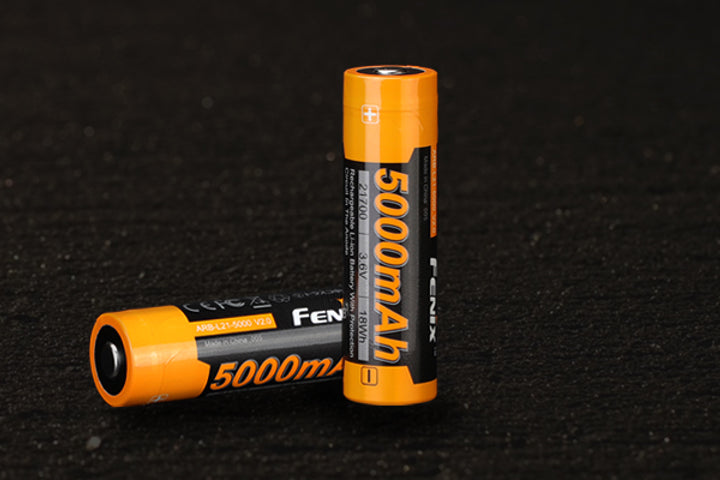
Power management is one of the biggest challenges on extended trips. Disposable batteries add weight, waste, and the risk of running out at the worst possible time. A flashlight with a high-capacity rechargeable battery is a smarter choice, especially if it supports USB-C fast charging, which is compatible with most portable power stations and vehicle inverters. For off-grid travel, look for runtimes that extend into dozens, or even hundreds, of hours on lower settings, so you can conserve energy when you don’t need maximum brightness. We recommend carrying at least one spare battery and a solar-powered powerbank so that you can swap out and recharge without losing a second of light.

2. High Lumen Output with Adjustable Brightness
Overlanders face diverse lighting needs: sometimes you’re searching for a trail marker in the dark, other times you’re simply cooking dinner at camp. A flashlight that can blast 1,000+ lumens for visibility while also dialing down to low levels for map reading or tent use offers the flexibility you need. Adjustable brightness not only adapts to different tasks but also helps conserve battery life, giving you better control over how and when you use your light. All Fenix flashlights feature adjustable beam outputs, with at least 3 in the smallest lights and as many as 11 in some of the larger ones! The best choice for overlanding and off-grid travel would be somewhere in between. Most of our mid-size flashlights offer around 5 outputs.
3. Long Beam Distance and Wide Beam Options
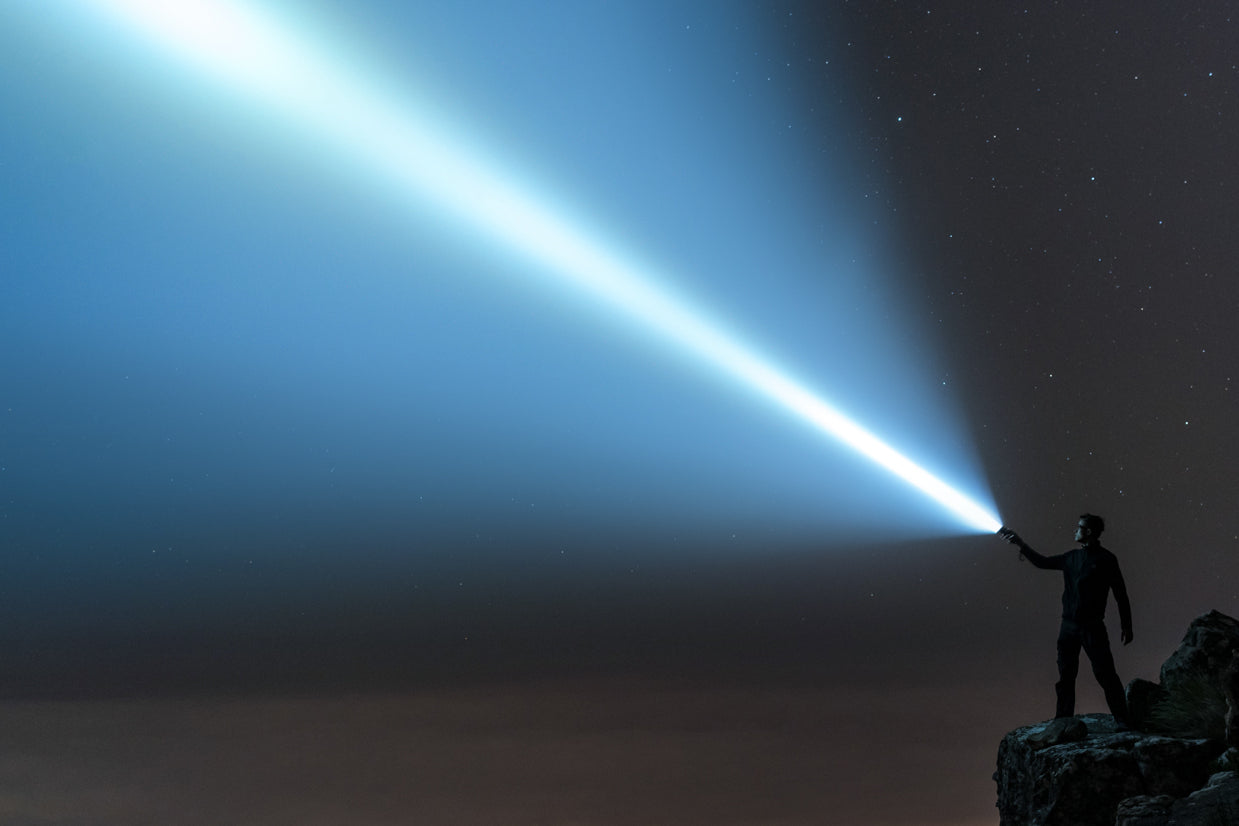
Imagine spotting a potential hazard on a trail hundreds of feet ahead or needing to survey a wide-open campsite. Both situations demand very different beam types. A flashlight with a long-distance “spot” beam is perfect for navigation and vehicle recovery, while a wide “flood” beam covers short-range tasks like setting up gear or gathering firewood. Some Fenix lights offer dual-beam modes, letting you switch between focused and wide illumination without carrying multiple devices, but all of our flashlights will feature a dual-distance beam with a powerful hotspot in the center with a wider "halo ring" of floodlight around it. The distribution of light between the hotspot and halo areas will vary between models, so make sure to look at the product photos to make the best choice.

4. Rugged, Weatherproof Construction
Off-grid travel doesn’t happen in controlled environments. Rainstorms, river crossings, dust, and rocky terrain will all test your gear. Look for flashlights with tough aluminum housings, impact resistance of at least one meter, and IP68 waterproof ratings (which protect against dust and submersion). All Fenix flashlights boast an impact resistance tested to 1.5 meters and at least an IP66 waterproof rating (though the majority have the excellent IP68 rating) and nearly all of them are made of durable aircraft-grade aluminum. Rugged construction ensures your light keeps working no matter how rough the conditions which is essential because when you’re off-grid, you can’t just buy a replacement at the next store.
5. Easy-to-Use Controls
Overlanding often means working in gloves, dealing with cold hands, or handling repairs in awkward positions. Complex controls can become frustrating (or even dangerous) when time is critical. Flashlights designed with dual switches, oversized buttons, or intuitive user interfaces let you toggle modes quickly and confidently. This is especially useful in emergencies, when you may need to activate a strobe or SOS without fumbling through multiple settings.
6. Multiple Light Modes for Safety and Utility
Beyond basic brightness levels, extra modes can add tremendous value. A strobe can be used to signal for help or to deter animals. An SOS mode provides internationally recognized distress signaling. A beacon or flashing mode makes it easier for others to spot your vehicle or campsite at a distance. These aren’t just “bonus” features, they’re practical tools for keeping yourself safe in unpredictable environments.
7. Compatibility with Filters or Color Outputs
Different colored lights serve specialized purposes. Red light is great for preserving night vision while stargazing or reading maps, and it’s less likely to attract insects. Green is popular for navigation and can make it easier to see certain details in the dark. Blue light helps when following tracks or reading maps with contour lines. A flashlight that accepts filters and diffusers or has built-in colored LEDs gives you flexibility to tailor your lighting to the task at hand.

8. Portability and Mounting Options
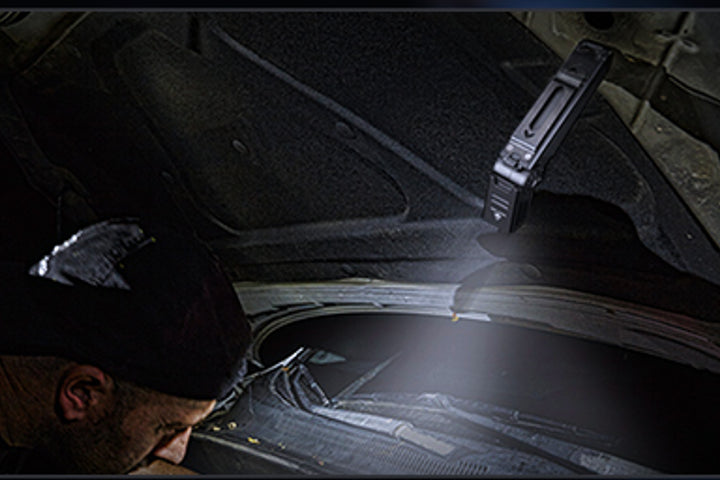
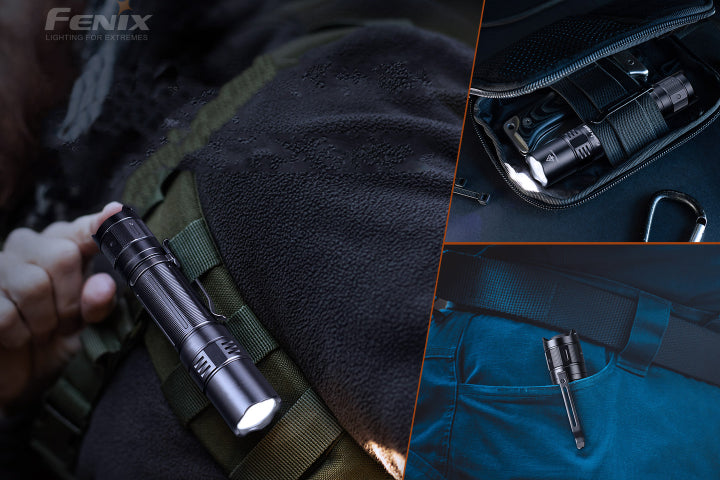
When space is at a premium, bulky flashlights can quickly become a hassle. Compact designs are easier to carry in a pocket, stow in a pack, or mount in your vehicle’s gear rack. Some lights also feature magnetic bases, tripod sockets, or clip systems that turn your flashlight into a hands-free work light, ideal for cooking, campsite setup, or emergency vehicle repairs. A versatile light reduces the need to carry multiple tools, saving both weight and space. If you have the space for it, we recommend a three-piece setup of handheld light, headlamp, and lantern, all of which can accept the same battery. But, as mentioned, space is a big concern. If you need to condense things, we recommend a flashlight that can accept a diffuser tip to turn it into a lantern, or a two-in-one headlamp that can easily attach and detach from its headband to act as a handheld flashlight in addition to its hands-free mode.

A great option for the latter choice would be the fantastic HM71R. With its separately controlled spot and flood outputs and removable L-shaped design, it kinda checks all the boxes! Head-mounted light, handheld mode, and the L-shape + spotlight mode that allows you to set it down to illuminate a designated area like a lantern! It's definitely one to consider!

Final Thoughts
When preparing for overlanding and off-grid travel, don’t underestimate the importance of a high-quality flashlight. Look for durability, power, adaptability, and long runtimes. These features ensure your light won’t fail when you need it most. With the right flashlight in your kit, you’re not just prepared; you’re empowered to take on the unknown, no matter how dark the night.


