






Smart Frequency Sensing vs. Constant Brightness: Which Is the Best Headlamp Feature for Outdoor Gear in 2026?
Smart Frequency Sensing vs. Constant Brightness: Which Is the Best Headlamp Feature for Outdoor Gear in 2026?
Since we started in 2001, Fenix has grown into a leading technology company focused on researching, manufacturing, and selling portable lighting tools. Our story began with a clear promise to do things right, creating gear that works in many situations, from daily carry and forest walks to demanding jobs like cave exploration, rescue missions, and industrial tasks.
Over the past twenty years, our products have reached more than 100 countries and regions. Millions of users worldwide trust Fenix lights in challenging environments. Whether you are facing a critical operation that requires dependable performance or a simple campout that calls for steady illumination, our goal remains the same: to deliver the best portable lighting solutions available.
As we approach 2026, outdoor gear is evolving quickly. People no longer accept lights that are only bright. They expect intelligent features, efficient power use, and the ability to adapt to changing needs.
In headlamps for outdoor use, a major discussion has emerged: Constant Brightness versus Smart Frequency Sensing. For many years, stable brightness was considered the ideal standard. But as activities become more dynamic and endurance-focused, the demand for hands-free adaptability has grown. This article explores both technologies, helping outdoor enthusiasts understand which feature truly fits modern adventures.
The Traditional Standard: Constant Brightness
For many years, constant brightness defined a good headlamp. Once you select a light level, such as 500 lumens, the headlamp maintains that output until the battery is nearly depleted.
This works well for low-movement tasks. Setting up camp, cooking, or reading a map all benefit from consistent light. Users appreciate the reliability and stability this mode provides.
However, constant brightness shows its limits during active movement. Imagine running on uneven terrain at night. On fast sections, you want strong illumination far ahead. On slower climbs, excessive brightness can reflect off the ground and strain your eyes. With traditional headlamps, you must adjust brightness manually. This interrupts your rhythm, distracts your focus, and occupies a hand that could be used for balance.
In addition, running high brightness during slow movement wastes battery power, which is critical when charging options are limited.
The Future of Headlamps: Smart Frequency Sensing
Smart Frequency Sensing represents a major shift in lighting technology. Instead of requiring manual adjustment, this system uses sensors to detect your step frequency. The headlamp automatically adjusts brightness based on your movement speed.
When you move faster, the light brightens to extend your viewing distance. When you slow down, the brightness decreases. This creates a smoother, more natural lighting experience.
This is not just a convenience feature. It improves safety, comfort, and efficiency. You receive the right amount of light at the right moment without touching a button. For trail runners and long-distance hikers, this hands-free adjustment allows complete focus on movement and surroundings.
This design was developed based on real user feedback and field testing. It reduces errors, improves confidence, and supports long nighttime activities.
Comparative Analysis: Adaptation vs. Stability
Trail Running and Fast Hiking
In dynamic environments, Smart Frequency Sensing clearly stands out. Trail conditions often change quickly. A fixed brightness level can either be too dim for fast descents or too bright for slow climbs.
With frequency sensing, brightness adjusts automatically. For example, at 150 steps per minute, brightness may reach maximum output to illuminate over 100 meters ahead. At 80 steps per minute, brightness lowers to reduce glare and save energy. This smooth transition improves safety and visual comfort without manual input.
Field testing shows that users can travel farther without stopping to adjust settings.
Energy Efficiency and Runtime
Power efficiency is essential for long outdoor trips. Constant brightness often delivers more light than needed during slow movement. Smart Frequency Sensing conserves battery by reducing output when full brightness is unnecessary.
This extends runtime, reduces the need for spare batteries, and lowers pack weight, which is especially valuable for multi-day trips and endurance events.
Versatility Across Environments
Constant brightness works well in stationary settings. However, Smart Frequency Sensing offers greater flexibility. Modern outdoor activities often combine hiking, running, and camp tasks. A frequency-sensing headlamp handles movement automatically while still allowing manual control for stationary use.
You gain adaptability without losing traditional functionality.
Why the HM60R V2 Is the Best Choice for 2026

The HM60R V2 High-Performance Headlamp represents 2026 lighting technology in action. It delivers up to 1600 lumens with a beam distance of 170 meters, ensuring excellent visibility in all conditions.
Its frequency-sensing system automatically shifts between focused and wide lighting based on your movement speed. The headlamp is built with a durable metal body that dissipates heat efficiently and withstands drops up to two meters. Its IP68 rating protects against dust and water, even in heavy rain or accidental submersion.
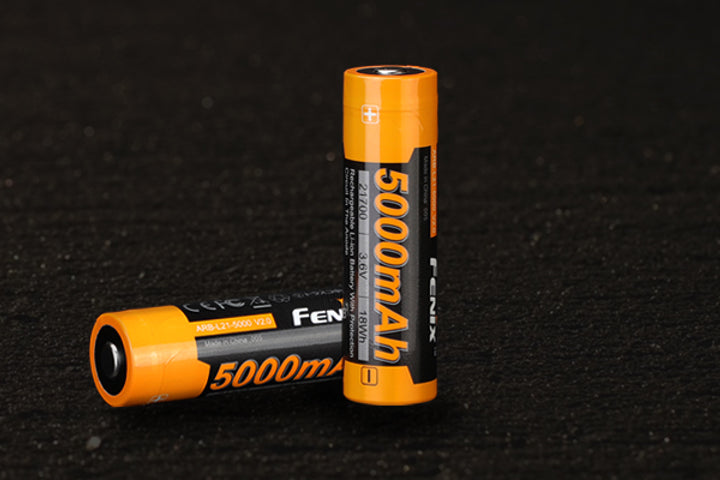
The built-in USB Type-C charging port supports convenient recharging of the 4000mAh battery (ARB-L18-4000). It also supports CR123A batteries for extended trips. Red light modes protect night vision, and the large side switch remains easy to use with gloves.
This headlamp is more than a tool. It is a complete lighting solution designed for modern outdoor adventures. Many users describe it as having an extra set of eyes, supported by extensive real-world testing across diverse terrain.
Conclusion
Looking ahead to 2026, Smart Frequency Sensing clearly defines the future of outdoor lighting. Constant brightness served its purpose well, but intelligent adaptability now sets the standard.
Frequency sensing improves efficiency, enhances safety, and keeps your hands free. By choosing equipment that adapts to your movement, you elevate every outdoor experience.
Whether you run ultras, hike long trails, or enjoy weekend adventures, a frequency-sensing headlamp is a smart investment. It is not only about brightness. It is about creating seamless, confident, and enjoyable nighttime exploration.
Service and Contact
We stand firmly behind our products. Every Fenix headlamp (with removable battery) includes five years of free repairs, followed by lifetime limited support. Our commitment to quality continues long after purchase.
If you have questions about our technology or need help choosing the right headlamp, please contact us through our website. Our team is always ready to assist with expert guidance.
FAQ
Q: How does the frequency sensing feature work in the dark?
A: The headlamp uses built-in sensors to detect vibration and step frequency. An internal algorithm calculates movement speed and adjusts brightness accordingly. Faster movement increases brightness, while slower movement reduces it to save battery and limit glare.
Q: Can I turn off frequency sensing mode?
A: Yes. You can switch to manual lighting modes, including constant spotlight or floodlight, giving you full control for tasks such as reading or camp setup.
Q: Is the USB Type-C charging port waterproof if the cover is open?
A: The port has an internal waterproof treatment. Even if the cover is open or water enters, the port remains protected and maintains the IP68 waterproof rating.


