



Which Caving Headlamp Offers the Best Beam for Deep Exploration?
Deep cave exploration requires equipment that can withstand extreme conditions; courage alone is not enough. The right caving headlamp is a life-saving tool, providing essential illumination throughout an expedition. Whether navigating tight underground passages or vast cavern systems, your headlamp must deliver exceptional visibility, durability, and long runtime.
Fenix is widely recognized as a leading lighting manufacturer, trusted by professionals across many industries for its high-performance, dependable equipment. Their headlamp lineup includes several models designed specifically for spelunking and demanding environments. The Newest Products Collection on their website highlights the latest innovations available today.
Key Takeaways
- Deep cave exploration requires a headlamp with long beam distance, reliable runtime, and rugged construction to perform in extreme underground conditions.
- Beam type matters: spot beams are essential for long-range visibility, while flood beams improve safety and precision in tight spaces.
- Dual-beam headlamps offer the most versatility for navigating changing cave environments, from narrow passages to large chambers.
- Durability features such as impact resistance, IP68 waterproofing, and metal housings are critical for reliability in wet and abrasive conditions.
- Efficient power management, high-capacity batteries, and USB-C rechargeability help ensure consistent lighting during extended expeditions.
- Glove-friendly controls, mode memory, and lockout functions enhance usability and safety when operating in complete darkness.

What Makes a Caving Headlamp Suitable for Deep Exploration?
Your headlamp serves as your primary navigation tool underground. It must provide reliable illumination in total darkness, withstand harsh environmental conditions, and operate consistently over long periods.
Beam Distance and Penetration in Low-Light Environments
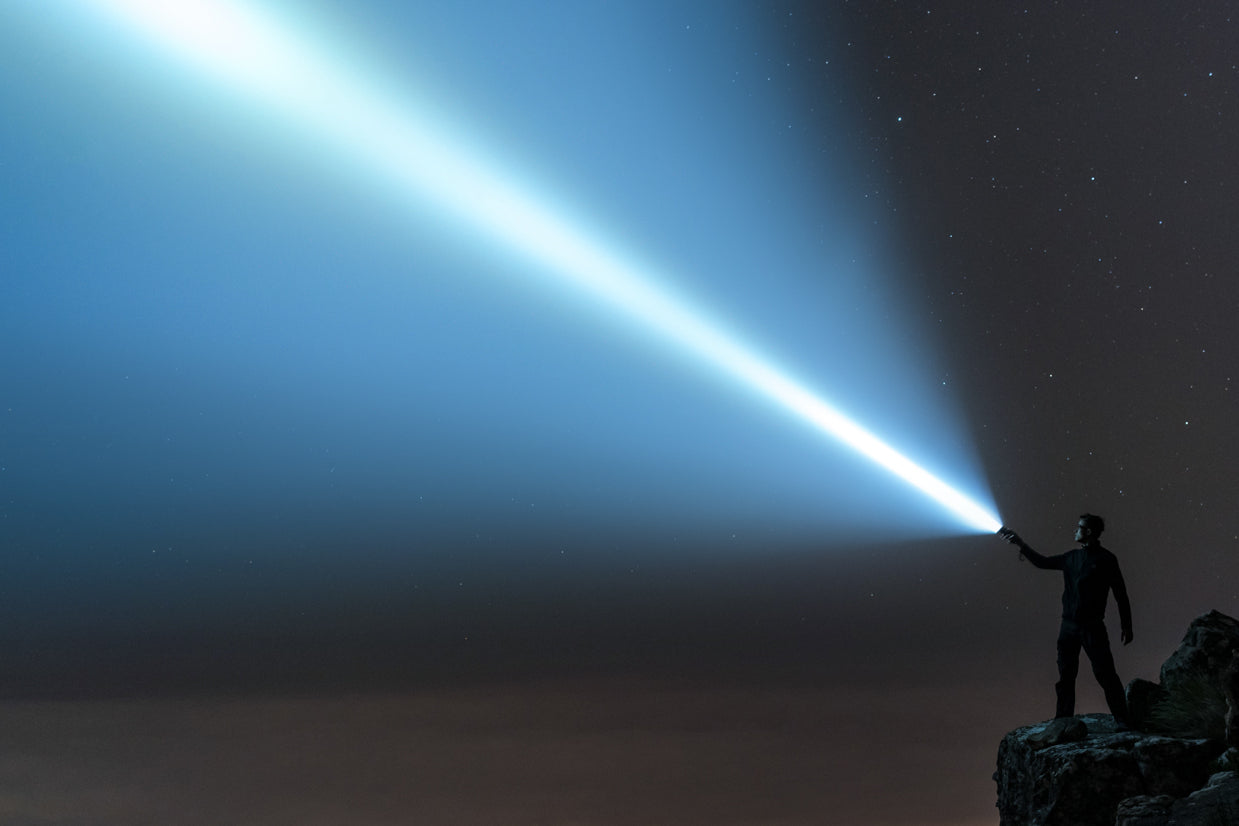
As you travel deeper into cave systems, long-range illumination becomes increasingly important. A powerful beam helps reveal potential routes and identify hazards such as drops or unstable terrain. Focused spot beams are especially effective at cutting through airborne particles like dust and mist.
The Fenix HP25R V2 Headlamp delivers strong performance, offering up to 400 hours of runtime on low mode and a 1600-lumen turbo output. Its beam reaches up to 290 meters, allowing users to detect distant terrain and vertical features with confidence.

Durability and Resistance to Environmental Stress
Caving equipment must endure accidental impacts, drops, and frequent exposure to water. The Fenix HM71R Headlamp features an IP68 rating, making it fully waterproof and its aluminum and stainless-steel construction protects internal components during demanding use in the event of strong impacts.
The Fenix HM71R Rechargeable Industrial LED Headlamp is built for harsh conditions, surviving drops up to 2 meters, operating across extreme temperatures, and maintaining reliable performance in wet environments.

Power Efficiency and Runtime Management
Extended expeditions require lighting that operates for long durations without frequent battery changes. The Fenix HP16R Rechargeable Headlamp offers up to 300 hours of runtime on its lowest setting while projecting a beam that reaches 853 feet.
Its intelligent circuit design maintains stable brightness, preventing sudden drops in illumination that could cause disorientation in hazardous situations.

How Important Is Beam Type in Cave Navigation?
Cave environments vary from narrow passages to large open chambers, making adjustable lighting essential. Beam type influences visibility, eye comfort, and spatial awareness.
Flood Beam for Close-Proximity Tasks
Wide-angle flood beams are ideal for moving through tight spaces and performing hands-on tasks. They provide even illumination and reduce harsh shadows.
The Fenix HM71R features a wide flood beam that is well suited for tying ropes, inspecting gear, or studying rock formations in confined areas.
Spot Beam for Long-Distance Illumination
Spot beams offer focused, long-range lighting that helps identify distant features and potential hazards.
The Fenix HP25R V2.0 includes a powerful spotlight mode, allowing explorers to scan deep into cave systems and detect terrain changes well in advance.
Dual-Beam Flexibility for Complex Terrain
Cave environments can change quickly, shifting from tight tunnels to expansive chambers. Dual-beam systems offer the versatility needed to adapt.
The HP16R uses dual reflectors, allowing quick transitions between flood and spot beams. This flexibility helps users maintain awareness of their surroundings while focusing on distant objects when needed.
Which Power Options Are Most Reliable Underground?
A constant and dependable power supply is essential for deep cave exploration. Your headlamp should offer durability, redundancy, and convenient recharging options.
Rechargeable Battery Integration with USB-C Support
Rechargeable systems reduce the need to carry spare batteries. USB-C charging enables fast recharging during rest periods.
The HM71R features USB-C rechargeability, takes approximately four hours to fully charge, and includes a clear battery indicator for added convenience.
Dual Power Systems for Redundancy and Flexibility
Backup power is critical in remote environments. Dual-power systems allow continued operation if the primary power source fails.
The HP16R can run on a Fenix ARB-LP3000 Li-polymer battery pack or four AA batteries, offering flexibility for extended underground expeditions.
High-Capacity Batteries for Extended Runtime
High-capacity batteries support both strong brightness and long runtimes, reducing the need for frequent recharging.
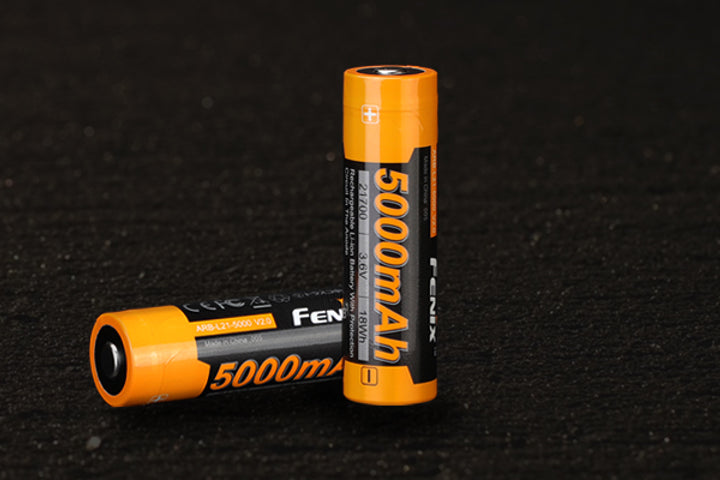
The HP25R V2.0 features a 5000mAh Li-ion battery housed in a rear battery compartment, powering its USB-C charging system efficiently.
How Does Build Quality Affect Headlamp Performance in Caves?
Build quality directly impacts reliability and safety in underground environments. A weak housing or failed switch could result in complete light loss during critical moments.
Impact Resistance for Rough Handling
Drops and collisions are unavoidable during climbing and scrambling. Industrial-grade materials help prevent cracking and system failure.
The aluminum construction of the HM71R withstands 2-meter drop tests, confirming its suitability for demanding conditions.
Waterproofing Against Submersion and Humidity
Caves often contain high humidity, water drips, and flooded passages. Equipment must remain fully operational in these conditions.
The HM71R’s IP68 waterproof rating ensures protection against water submersion and heavy moisture exposure.
Ergonomic Design for Helmet Compatibility and Comfort
Long periods underground can strain the head and neck. A balanced, compact design improves comfort during extended use.
The HP16R’s lightweight construction helps reduce neck fatigue during long shifts in underground environments.
What Role Does User Interface Play in Caving Safety?
Easy-to-use controls are essential when operating in darkness, especially while wearing gloves.
Intuitive, Glove-Friendly Controls
Large, tactile controls allow users to adjust settings even in tight or dirty spaces.
The HM71R’s rotary switch provides clear tactile feedback, enabling operation without removing gloves or gear.
Mode Memory for Quick Reuse
Mode memory saves time by returning to the last-used brightness level.
The HP25R V2.0 automatically restores the previous setting, reducing errors during rapid adjustments.
Lockout Features to Prevent Accidental Activation
Accidental activation inside a pack can drain batteries before an expedition begins.
The HP16R includes a lockout function to preserve battery life until it is needed.
How Do Specific Fenix Models Compare for Deep Caving?
Choosing the right headlamp depends on priorities such as beam distance, durability, and power options. Below is a comparison of three popular Fenix models.
| Model | Max Lumens | Beam Distance | Power Source | Special Feature |
|---|---|---|---|---|
| HM71R | 2700 (spot) / 500 (flood) | 755 ft (230 m) | USB-C Rechargeable | Magnetic base + Spot/Flood |
| HP25R V2.0 | 1600 | 290 m | USB-C Rechargeable | Dual switch + Independent beam control |
| HP16R | 1250 | 260 m | USB-C + AA Compatible | Lightweight + Dual reflectors |
What Additional Features Enhance Caving Efficiency?
Small performance enhancements can significantly improve safety and usability during expeditions.
- Red Light Modes: Reduce eye strain when reading maps or checking gear
- Tilt Mechanism: 60° tilt allows precise light positioning
- Battery Level Indicators: Enable real-time monitoring to prevent unexpected outages
FAQ
Q1: What beam distance should I look for in a caving headlamp?
A beam distance of at least 200 meters is recommended for large cave systems and vertical shafts.
Q2: Why is dual-beam functionality important?
Dual-beam systems allow quick transitions between wide illumination and focused distance lighting as terrain changes.
Q3: How does waterproofing benefit cave explorers?
An IP68 rating protects the headlamp from full water submersion and heavy moisture commonly found underground.


