



Camping Lantern vs Flashlight: Best Choice for Power Outages
Over the past few years, the reality of an aging electrical grid has become obvious to homeowners everywhere. From massive winter freezes shutting down power in Texas to intense hurricanes sweeping across the Gulf Coast, severe weather events frequently knock out electricity for millions of people. When your house plunges into total darkness without warning, the equipment you have stored in your hall closet dictates whether the night becomes a stressful ordeal or a calm, manageable evening.
Most people often grab the closest flashlight right away when the lights fail. But is that truly the smartest option to keep your household at ease? Picking the right lighting for a blackout means thinking about how light spreads in a building. The best choice can shift the mood in a pitch-black house from anxious to relaxed. In this piece, we'll examine the traditional portable flashlight versus the contemporary all-around lantern to figure out which one stands out during grid failures.
What Do You Need Light to Do During a Blackout?
Before diving into comparisons, imagine those initial moments when the electricity cuts off. You might have to locate footwear, shut down the oven, grab medications, monitor weather warnings, or step outside to check if a limb blocks the path. Such activities demand varied light patterns, so a single device seldom handles them all effectively.
A lantern keeps shared spaces usable
A lantern is made for area lighting. Set it on a table, hang it from a hook, and everyone nearby can see. That is why a lantern for power outage planning is useful in kitchens, living rooms, bedrooms, garages, and cabins.
A quality lantern also helps reduce stress. Children can see faces. Older adults can walk without holding a beam. A family can eat, read instructions, or organize supplies without passing one light around. For long indoor use, an indoor emergency lantern often feels more natural than a narrow handheld beam.
A flashlight gives reach and control
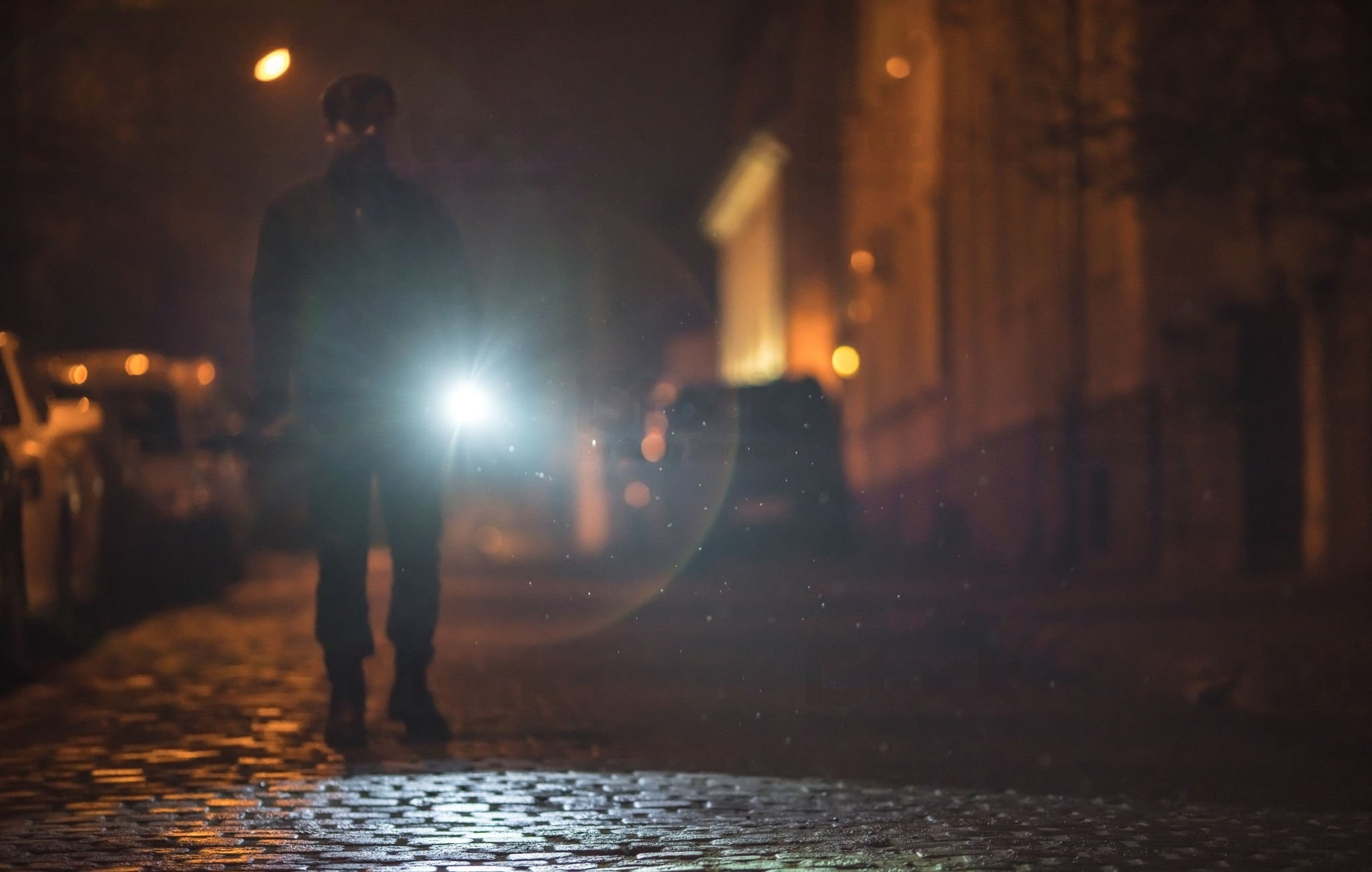
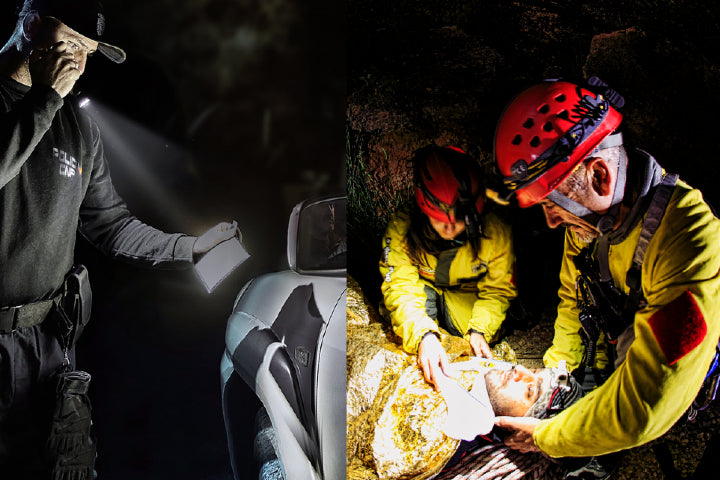
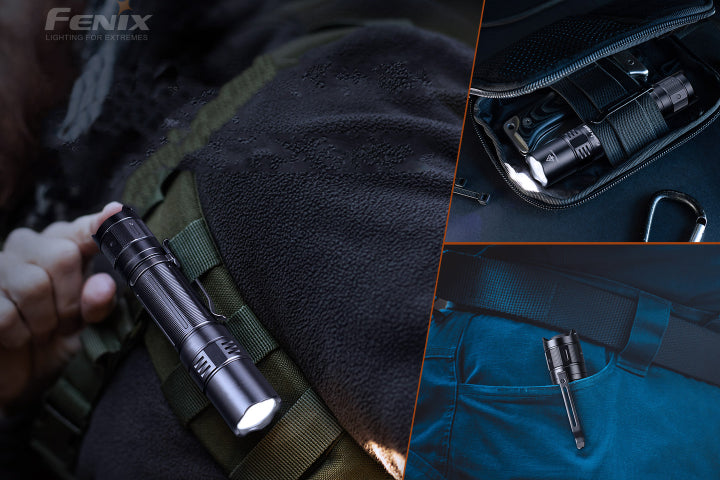
A flashlight is made for directional light. It lets you aim at a breaker switch, a water leak, a stair tread, a lock, or a dark corner outside. A flashlight for power outage use should be easy to grip, bright enough for inspection, and strong enough to handle rough weather.
Its limit is also clear. You need one hand to hold it, and the beam only helps where it is pointed. That works for checking a problem, not for lighting a shared room.
Camping Lantern vs Flashlight: The Core Difference
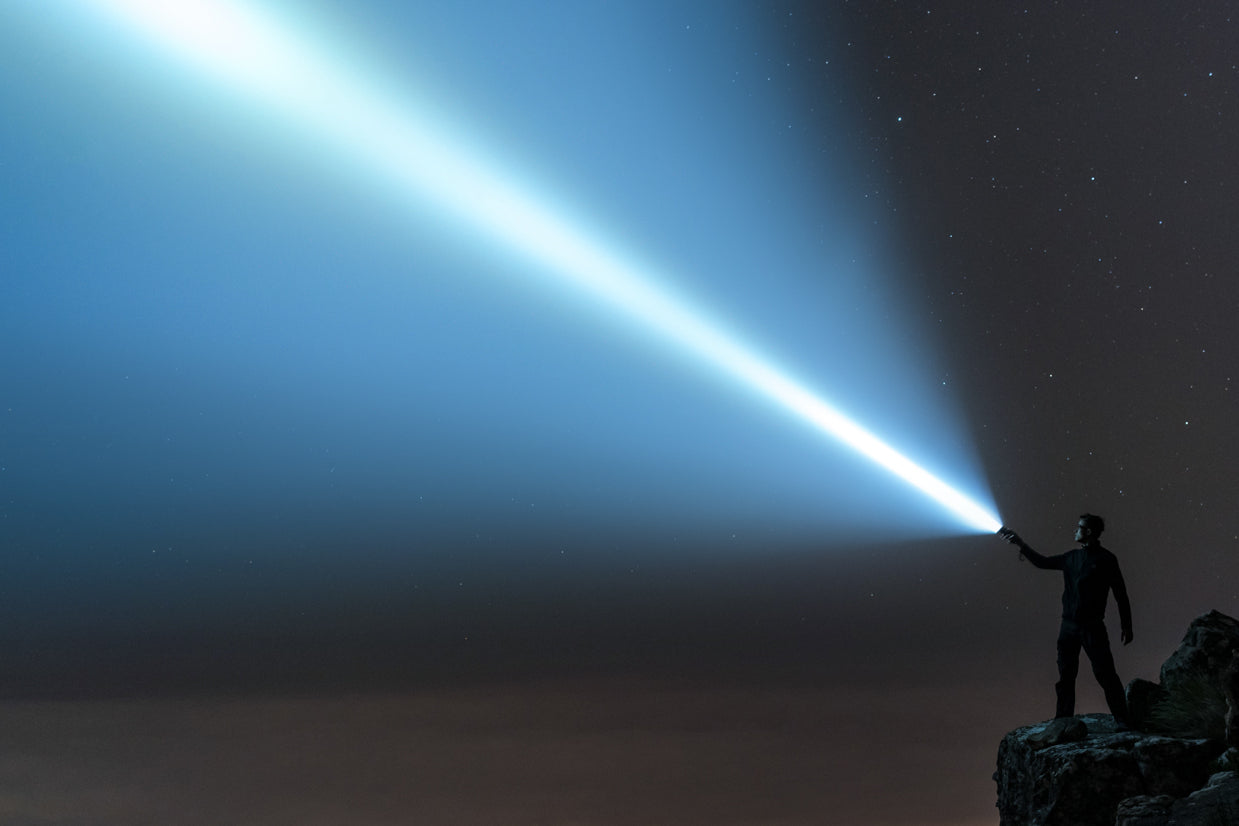
The simplest difference is beam pattern. A lantern gives broad, surrounding light. A flashlight gives a focused beam. Once you understand that, choosing the best light for blackouts becomes less about brightness alone and more about real household tasks.
Choose a lantern for rooms and long waits
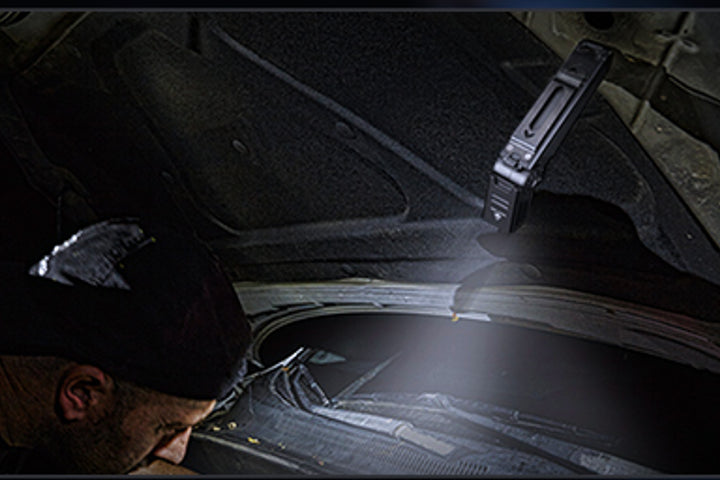
Opt for a lantern as the primary pick when the household gathers in one spot. It aids in meal prep, simple medical care, games, reading, and waiting out bad weather. Plus, it rests securely on a level spot, freeing up both hands for tasks.
The Fenix CL30R LED Camping Lantern serves this purpose nicely since it delivers up to 650 lumens with a broad 115-foot light circle. That's sufficient for an entire space and handy for a veranda, shed, or outdoor site. Even better, it includes multiple settings, letting people select high power for busy work and dimmer modes to conserve energy.

Battery life counts heavily in these situations. The CL30R lasts up to 70 hours on its lowest setting with the provided cells and stretches to 300 hours on the most efficient mode. During an actual shutdown, those durations outweigh raw maximum output. What's more, the lantern doubles as a mobile charger, which can power a cell phone for updates on conditions or urgent contacts.
Choose a flashlight for movement and inspection
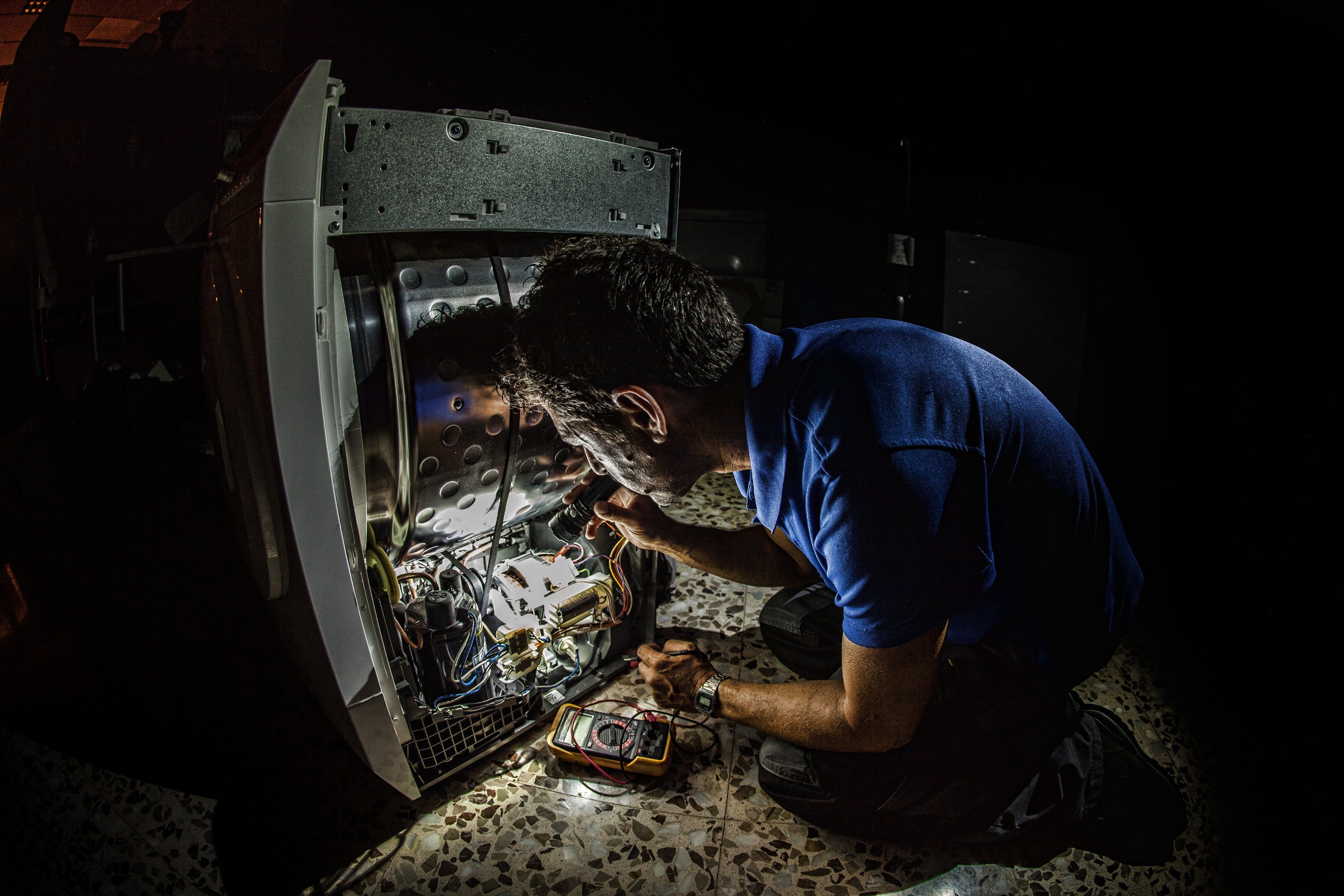
A flashlight is more useful when the task is away from the main room. You may need to inspect a fuse box, walk to a vehicle, check a generator area, look under a sink, or signal to someone outside. A flashlight for power outage checks gives a cleaner line of sight and better control.
It also protects battery life in another way. Instead of lighting an entire room for a small task, you can briefly aim the beam where needed, then turn it off. For homes with yards, basements, or detached garages, store at least one flashlight within easy reach.
When a Lantern Makes More Sense
Prioritize a lantern when ease, security, and group visibility take center stage. This holds especially true for typical indoor blackout periods. It's particularly valuable in homes with young ones, elderly members, animals, or visitors unfamiliar with storage spots.
Turn to a lantern for needs like:
- Light a kitchen, bedroom, hallway, or living room
- Keep both hands free for cooking, cleaning, or first aid
- Create calm, steady light for children
- Leave a low light running overnight
- Cover a table, tent, porch, or garage work area
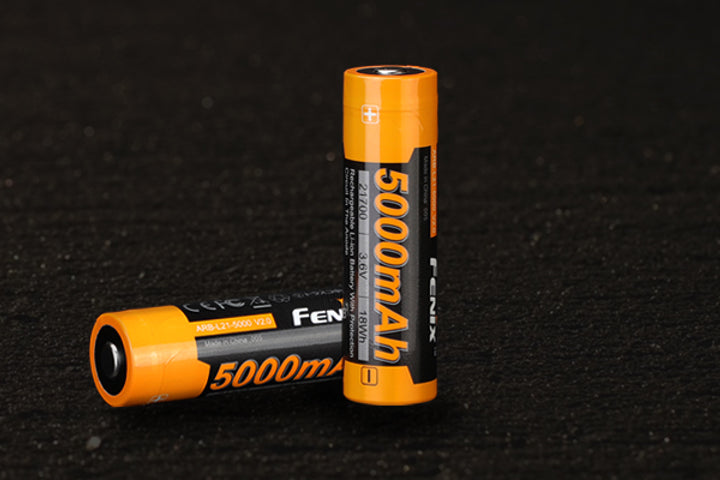
For these tasks, an emergency camping lantern can serve both outdoor trips and home readiness. The Fenix CL30R includes useful features for genuine crises: it operates on one, two, or three rechargeable 18650 lithium-ion batteries, comes with three ARB-L18-2600 rechargeable batteries, features a robust suspension ring, and employs a single switch for simple operation.
When a Flashlight Makes More Sense
Reach for a flashlight first when accuracy is key. It excels at scrutinizing specifics, traversing unknown areas, and spotting details at a distance beyond a lantern's soft radiance.
Rely on a flashlight for situations such as:
- Inspect a breaker panel, outlet, pipe, or appliance
- Walk outside during wind, rain, or snow
- Look into closets, cabinets, crawl spaces, or toolboxes
- Scan a driveway, fence line, or backyard
- Carry a personal backup light from room to room
A good blackout plan keeps flashlights in fixed places: one near the main entry, one near the bedroom, and one near the garage or utility area. Do not store all lights in one drawer. If the outage happens at night, placement matters as much as product quality.
How to Build a Practical Blackout Lighting Kit
A strong lighting kit uses layers. Start with one central lantern for power outage coverage in the room where people gather. Add at least two flashlights for movement and inspection. Then check batteries before storm season, not after the lights go out.
Look for three things before buying. First, choose adjustable brightness rather than only chasing the highest lumen number. Second, check real runtime at lower modes. Third, consider weather resistance. The CL30R is rated IP67 and can be submerged to 3.6 feet for up to 30 minutes, which adds confidence on wet porches, in garages, or during camping use.
Fenix's services extend well beyond this. If you're weighing an indoor emergency lantern against a portable light for residences, retreats, vehicles, or modest operations, contact Fenix to align brightness, power source, endurance, and transport method with your requirements.
Conclusion
A camping lantern and a flashlight address distinct challenges in blackouts. The lantern delivers consistent room illumination for dining, household peace, medical basics, and extended downtime. The flashlight offers reach and control for movement, inspection, and exterior scans. For typical residences, the best blackout solution combines both: a dependable lantern for communal zones and multiple flashlights positioned for swift retrieval. Ready the devices, power up the cells, and place them where they're easy to grab. When the next outage arrives, that basic foresight can enhance safety across the entire property.
FAQs
Q: Is a lantern or flashlight better for power outage lighting?
A: A lantern is better for rooms; a flashlight is better for movement and inspection.
Q: What is the best light for blackouts at home?
A: Use a room lantern with a focused flashlight for safer coverage.
Q: Can I use an emergency camping lantern indoors?
A: Yes. A quality emergency camping lantern works well as an indoor emergency lantern.


